ADVERTORIAL · This article is sponsored content and promotes a dietary supplement.
The Sphere Care
Health & Wellness
NERVE HEALTH
Tingling, Burning Feet at Night? What Research Says About 7 Nutrients Often Used for Nerve Support
Some have solid clinical trials behind them. Others don't. Here's a plain-English look at what's known, and what isn't.
By The Sphere Care Editorial Team · September 25, 2026 · 7 min read
Sponsored: This article was paid for by an advertiser and did not go through a standard editorial process. We may receive a commission if you buy through links on this page.
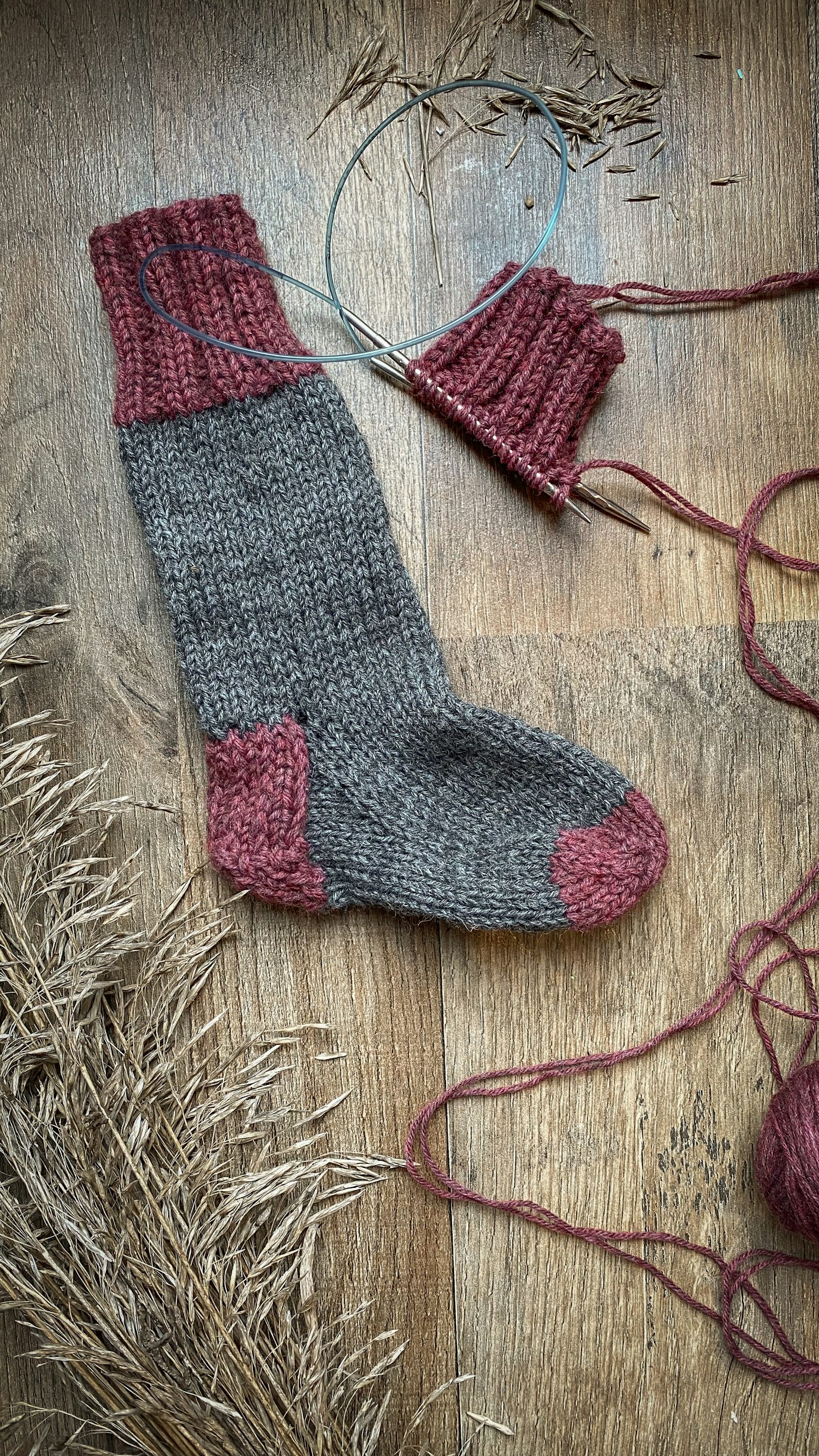
Evening is when many people first notice tingling or burning in their feet. Photo: Unsplash
Key takeaways
• Tingling and burning in the feet have many possible causes, so it's worth talking with a doctor first.
• Alpha-lipoic acid and methylcobalamin (a form of vitamin B12) have the most clinical research, mostly in people with diabetes.
• Benfotiamine and acetyl-L-carnitine have smaller bodies of research from controlled trials.
• Blueberry, passionflower, skullcap and Himalayan salt have limited or no nerve-specific evidence.
For many people, it starts at night. The day winds down, you finally sit or lie down, and your feet begin to prickle, burn or feel oddly numb.
These sensations are common, especially after 50. When they come from damage to the nerves outside the brain and spinal cord, doctors call it peripheral neuropathy. It has many possible causes, from blood sugar problems to low vitamin B12 to certain medications.
Nutrition products for nerve support are everywhere, and their claims vary widely. So we looked at the published research on seven ingredients that often appear in this category, and sorted what has been studied from what hasn't.
First, find out what's behind it
Before trying any supplement, it helps to know the cause. A doctor can check for the most common ones with a basic exam and blood work. Questions worth asking at your next visit:
• Could my blood sugar explain this?
• Should my vitamin B12 level be checked? Long-term use of metformin or acid-reducing medications can lower it.
• Could any of my current medications play a role?
• Would a thyroid test or a nerve exam be useful?
Why researchers look at what surrounds the nerve
Peripheral nerves are some of the longest cells in the body, and they depend on steady blood flow and a reliable energy supply. Much of the research, especially in diabetes-related neuropathy, focuses on those surrounding conditions: blood sugar, oxidative stress, circulation and how cells produce energy.

A useful way to picture it: if a nerve is the plant, much of the research is about the soil. Photo: Unsplash
That's the lens for the ingredients below. Each one notes the type of evidence behind it, from pooled analyses of clinical trials down to traditional use.
The 7 ingredients, and what the research shows
1. Alpha-lipoic acid
Type of evidence: meta-analysis of randomized controlled trials
An antioxidant that works in both the water- and fat-based parts of cells. A 2012 meta-analysis of randomized, placebo-controlled trials found it reduced neuropathy symptoms in people with diabetes compared with placebo.¹ Much of that data used specific doses, some given intravenously. Because alpha-lipoic acid can lower blood sugar, people taking diabetes medication should check with their doctor first.
2. Methylcobalamin (vitamin B12)
Type of evidence: meta-analysis of randomized controlled trials
Vitamin B12 helps maintain myelin, the protective coating around nerves, and a deficiency can cause neuropathy on its own. A 2020 systematic review and meta-analysis of randomized trials reported improvements in neuropathy symptoms with this form of B12.² A simple blood test can show whether your levels are low; taking more than you need doesn't add extra benefit.
3. Benfotiamine
Type of evidence: one randomized controlled trial
A fat-soluble form of vitamin B1 that the body absorbs more readily than standard thiamine. In the BENDIP trial, a randomized, double-blind, placebo-controlled study, benfotiamine was associated with improved neuropathy symptom scores.³ It's a single trial, so the evidence is narrower than for the first two ingredients.
4. Acetyl-L-carnitine
Type of evidence: two randomized controlled trials
Acetyl-L-carnitine helps move fatty acids into the mitochondria, where cells make energy. Two randomized, placebo-controlled trials in people with long-standing diabetic neuropathy reported less pain, better vibration sense and improved nerve-fiber measurements.⁴
5. Blueberry
Type of evidence: one randomized trial on a related measure

Blueberries get their deep color from pigments called anthocyanins. Photo: Unsplash
In a 12-week randomized trial of healthy adults aged 65 to 80, daily wild blueberry powder improved measures of blood-vessel function compared with placebo.⁵ The study looked at circulation, not nerve symptoms, so it doesn't show a direct benefit for nerves.
6. Passionflower and skullcap
Type of evidence: traditional use; limited clinical research

Passionflower has a long history of traditional use. Photo: Unsplash
Both herbs have long been used traditionally for relaxation. There is little clinical research on either one for nerve conditions. Passionflower may add to the drowsiness caused by sleep aids or sedatives, so mention it to your pharmacist if you take them.
7. Himalayan pink salt
Type of evidence: none for nerve support
Some formulas include it as a source of trace minerals and electrolytes. There is no clinical evidence that salt eases nerve discomfort. If you watch your sodium, count it toward your daily total.
FROM OUR SPONSOR
These 7 ingredients in one formula
All seven ingredients covered in this article are combined in a single dietary supplement. The manufacturer explains the formula in a short video presentation.
This link opens a sales presentation for a dietary supplement.
The bottom line
None of these ingredients has been shown to treat neuropathy, and none replaces finding and managing the underlying cause. Four of the seven, though, have real clinical research behind them, mostly in diabetes-related neuropathy, with modest results that varied from person to person.
If the medical basics are covered, nutritional support may be worth discussing with your doctor. To see how the formula mentioned above is put together, the manufacturer's video walks through each ingredient.
This link opens a sales presentation for a dietary supplement. Talk with your doctor before starting any supplement.
Common questions
Are these ingredients a treatment for neuropathy?
No. They have been studied for symptom support, and the product mentioned here is a dietary supplement. It is not intended to diagnose, treat, cure or prevent any disease.
Can I take them with my medications?
Check first. Alpha-lipoic acid can lower blood sugar, and passionflower may add to the effects of sedatives. A pharmacist can review your full list of medications in a few minutes.
How long did the studies last?
Most ran from several weeks to about a year. Short-term results don't tell us much about long-term effects.
Who should talk to a doctor before trying a supplement like this?
Anyone who is pregnant or nursing, has a kidney or liver condition, takes prescription medication, or has surgery coming up.
References
1. Mijnhout GS, et al. Alpha lipoic acid for symptomatic peripheral neuropathy in patients with diabetes: a meta-analysis of randomized controlled trials. Int J Endocrinol. 2012;2012:456279.
2. Sawangjit R, et al. Efficacy and safety of mecobalamin on peripheral neuropathy: a systematic review and meta-analysis of randomized controlled trials. J Altern Complement Med. 2020;26(12):1117-1129.
3. Stracke H, et al. Benfotiamine in diabetic polyneuropathy (BENDIP): results of a randomised, double-blind, placebo-controlled clinical study. Exp Clin Endocrinol Diabetes. 2008;116(10):600-605.
4. Sima AAF, et al. Acetyl-L-carnitine improves pain, nerve regeneration, and vibratory perception in patients with chronic diabetic neuropathy. Diabetes Care. 2005;28(1):89-94.
5. Wood E, et al. Wild blueberry (poly)phenols can improve vascular function and cognitive performance in healthy older individuals: a double-blind randomized controlled trial. Am J Clin Nutr. 2023;117(6):1306-1319.
The Sphere Care
Advertising disclosure: This page is an advertisement (advertorial). It was paid for by an advertiser and is not independent medical journalism. This page contains affiliate links, and the publisher may earn a commission on purchases made through them, at no additional cost to you.
Health disclosure: These statements have not been evaluated by the Food and Drug Administration. Any product mentioned is not intended to diagnose, treat, cure or prevent any disease. Individual results vary. The information on this page is not medical advice; consult a qualified healthcare provider before starting a supplement or changing your treatment.
© 2026 The Sphere Care. All rights reserved.